Skip to content
velivi

Organic sunflower mince – soy-free plant-based mince for food service

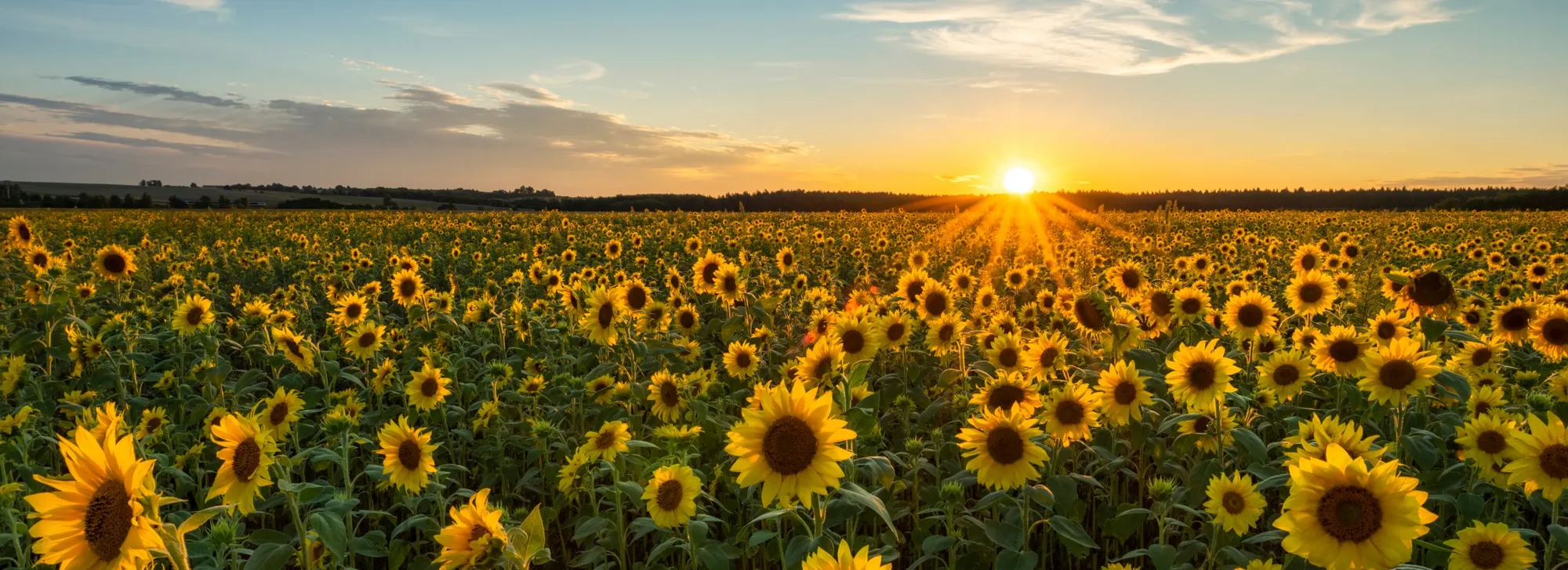
Everyone knows a sunflower field. Nobody knows a soy plant.

Our sunflower mince is naturally rich in protein and magnesium, plus iron, zinc and fibre. Frozen and ready to use – for the dishes your guests already love.

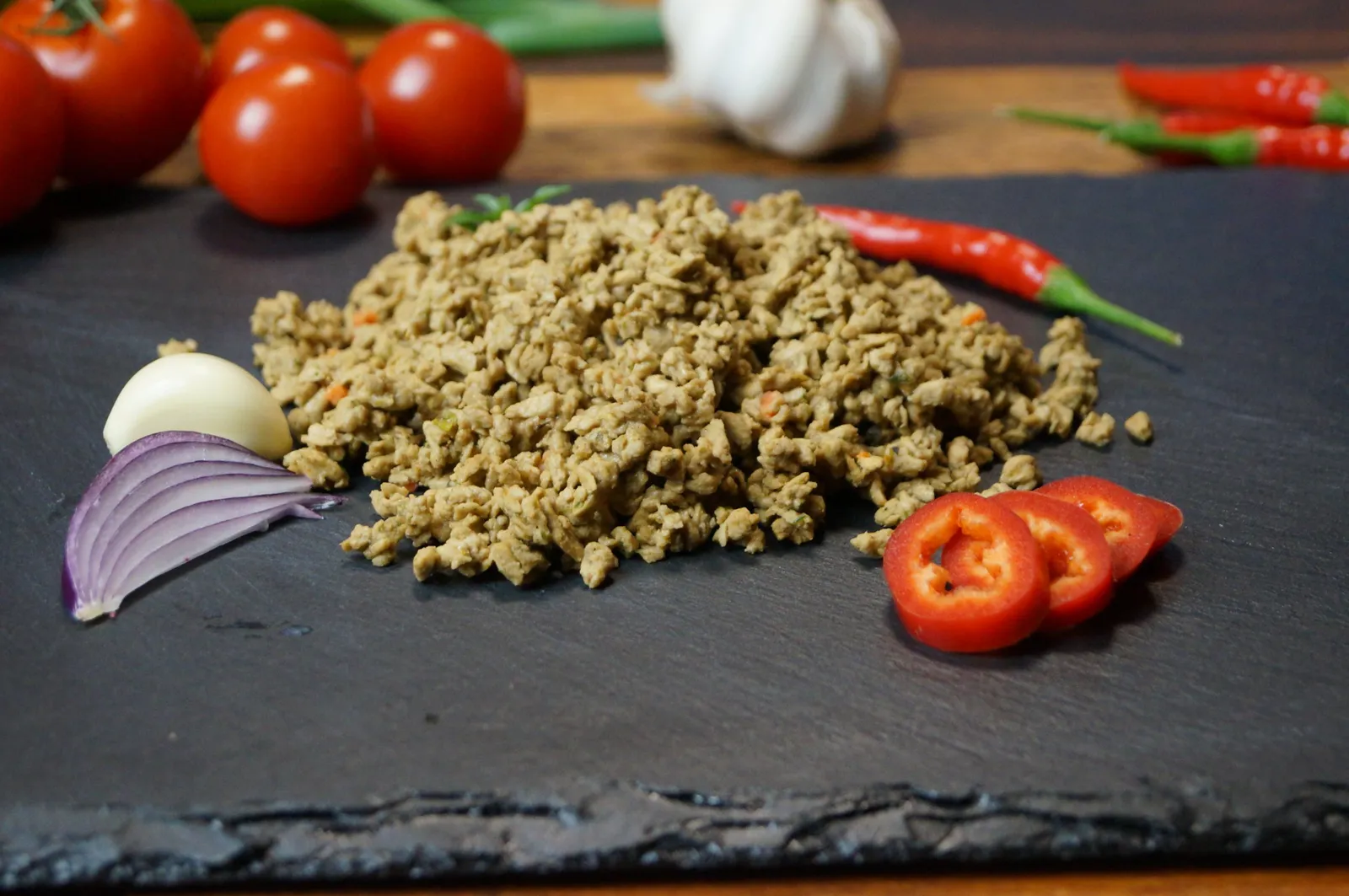
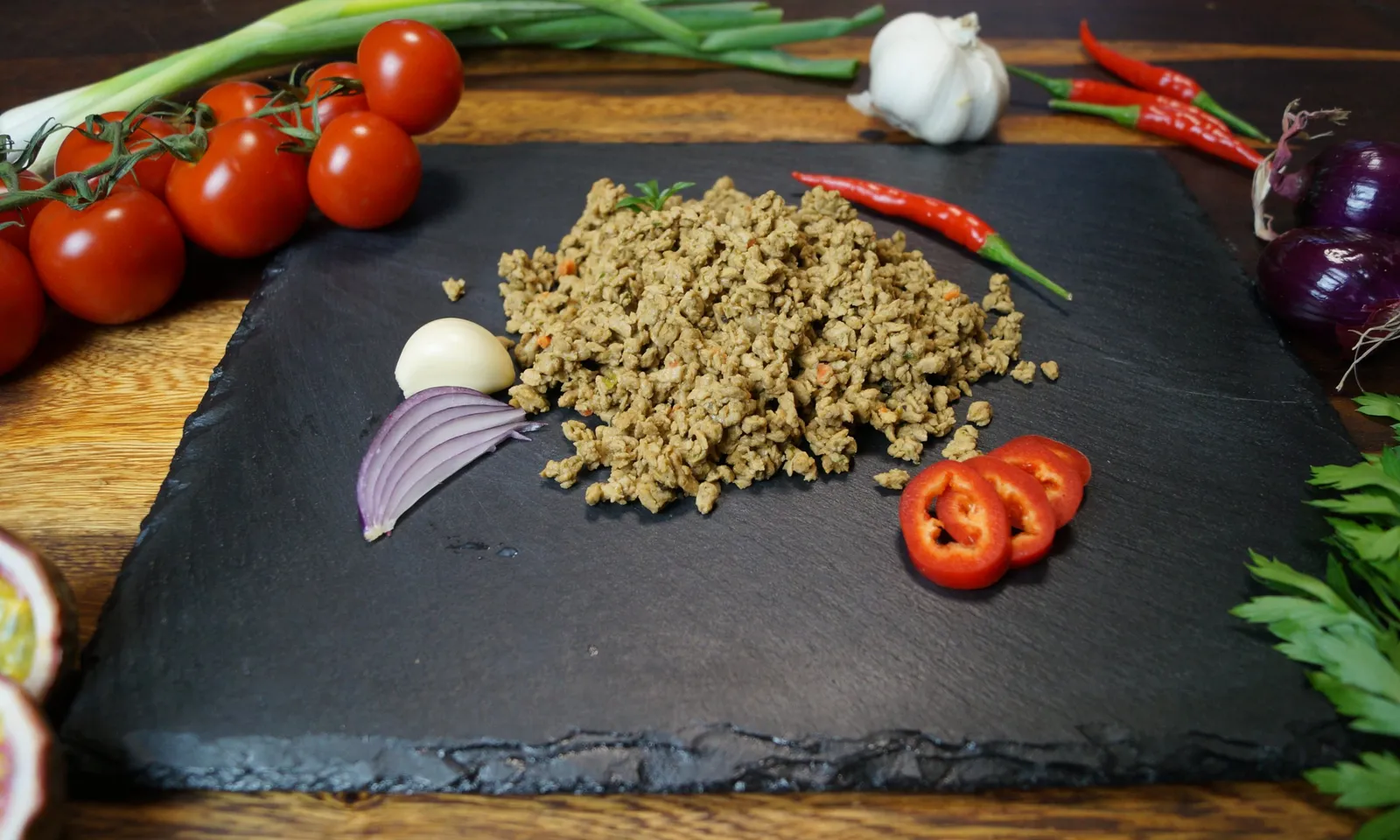
Organic sunflower mince on a slate with chilli, onion and garlic
  • 10 kg carton
  • Frozen
  • Free-flowing
  • 100 % organic
  • Available through foodservice wholesalers

What's inside

More inside than you'd think.

Naturally rich in protein and magnesium, plus iron, zinc and fibre. Tap any item – the whole row opens.

  • High in protein 16 g per 100 g · 36 % of energy from protein

    Protein contributes to the maintenance of muscle mass and to the maintenance of normal bones.

  • High in magnesium 232 mg per 100 g · 62 % of the reference intake

    Magnesium contributes to a reduction of tiredness and fatigue and to normal muscle function.

  • Source of iron 3.8 mg per 100 g · 27 % of the reference intake

    Iron contributes to normal formation of red blood cells and haemoglobin and to normal oxygen transport in the body. Kitchen tip: vitamin C from tomato, pepper or lemon in the same dish increases iron absorption.

  • Source of zinc 6.9 mg per 100 g · 69 % of the reference intake

    Zinc contributes to the normal function of the immune system and to the protection of cells from oxidative stress.

  • Source of fibre 5.5 g per 100 g

    Fibre is found only in plant foods – meat contains none. The German Nutrition Society recommends at least 30 g a day.

  • Sunflower, not soy naturally soy-free · mild and nutty

    Sunflower is not one of the 14 major allergens in the EU – soy is. It tastes mild and slightly nutty, with no beany aftertaste. Allergen information for each product is in the specification.

  • No flavourings or colourings short, clear ingredient list

    The taste comes from real ingredients such as lemon pepper, herbs and tomato – not from flavourings. What's inside is on the label and quick to read.

  • Physically texturised no chemical solvents

    Many plant proteins are extracted from the raw material with solvents such as hexane. Our sunflower protein is pressed, milled, mixed with water and heated. So the question of residues never arises.

  • 100 % organic certified, DE-ÖKO-034

    Inspected under the EU organic regulation: no chemical-synthetic pesticides, no genetic engineering, independently checked every year.

Nutritional values for Organic Sunflower Mince (Art. 602); minerals according to laboratory analysis of November 2026; the analysis of the strips is in progress. Reference intakes under Regulation (EU) 1169/2011. A varied and balanced diet and a healthy lifestyle are important.

Products

Two products. Countless dishes.

Vegan mince and vegan strips made from organic sunflower protein. Both in a 10 kg carton, frozen and free-flowing – you take only what you need.

Organic sunflower mince on a slate with chilli, onion and garlic

Art. 602 · frozen · 10 kg

Organic Sunflower Mince with lemon pepper

The vegan alternative to minced meat for bolognese, chili and lasagne. Ready-seasoned with lemon pepper, juicy, with a meat-like bite. Doesn't fall apart in the sauce and takes on any further seasoning.

What you can cook with it – our recipe ideas:

16 g protein per 100 g Nutrition table
Nutrition Organic Sunflower Mince
Nutrition per 100 g% NRV*per 100 g
Energy751 kJ / 180 kcal
Fat9.4 g
of which saturates0.9 g
Carbohydrate4.9 g
of which sugars1.9 g
Fibre5.5 g
Protein15.9 g
Salt1.1 g
Magnesium62 %232 mg
Iron27 %3.8 mg
Zinc69 %6.9 mg

* Nutrient reference value under Regulation (EU) 1169/2011. Contains mustard. Ingredients and trace information in the specification.
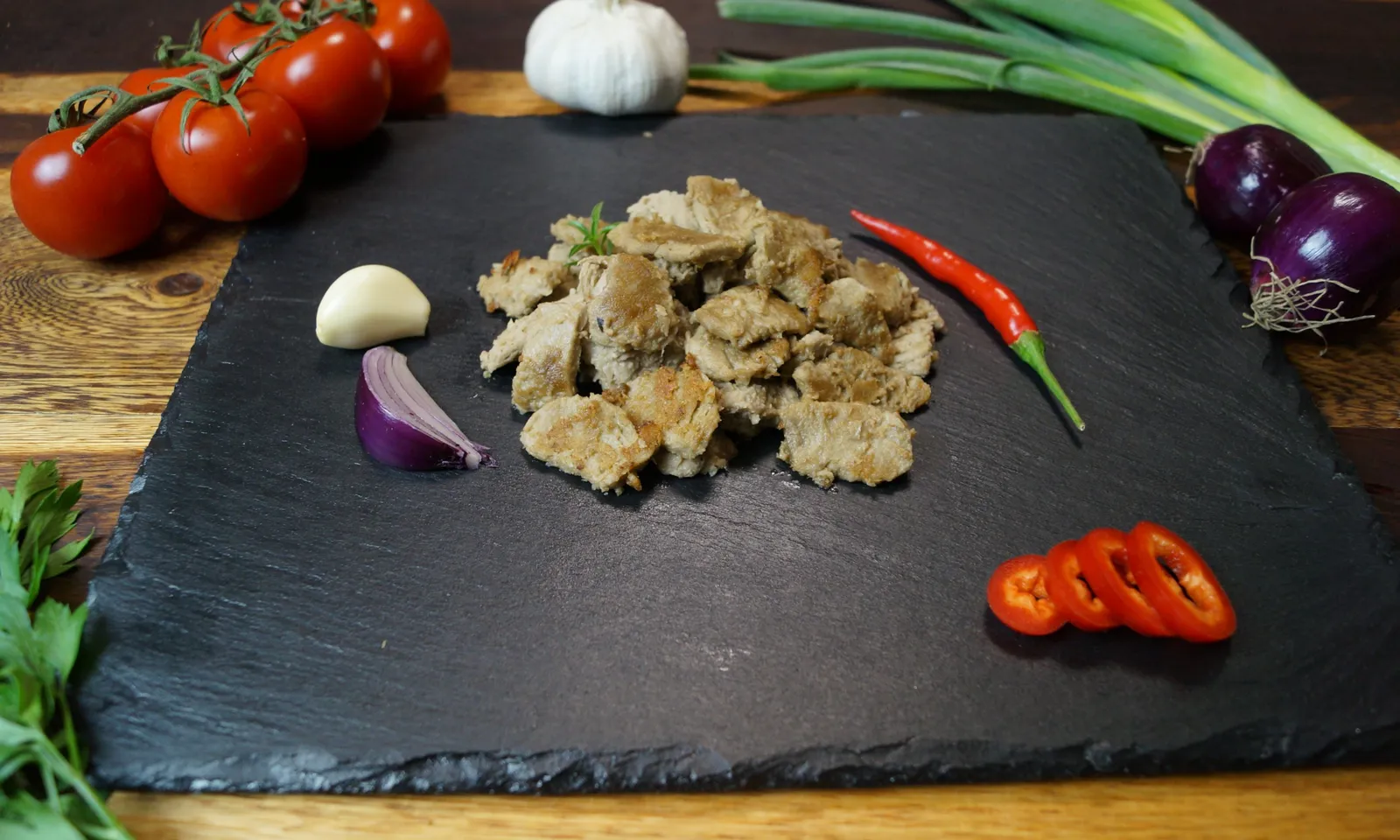
Organic sunflower strips, pan-fried, on a slate

Art. 603 · frozen · 10 kg

Organic Sunflower Strips

The vegan alternative to sliced meat and gyros. Unseasoned, fibrous and firm to the bite – a blank canvas for your kitchen. Takes on any marinade and keeps its shape.

What you can cook with it – our recipe ideas:

16.4 g protein per 100 g Nutrition table
Nutrition Organic Sunflower Strips
Nutrition per 100 g% NRV*per 100 g
Energy735 kJ / 176 kcal
Fat9.6 g
of which saturates0.9 g
Carbohydrate3.3 g
of which sugars1.9 g
Fibre4.9 g
Protein16.4 g
Salt1.2 g
Magnesiumanalysis pending
Ironanalysis pending
Zincanalysis pending

* Nutrient reference value under Regulation (EU) 1169/2011. Contains faba bean. Ingredients and trace information in the specification.
What is sunflower mince? Production, nutrition and how it differs from soy mince →

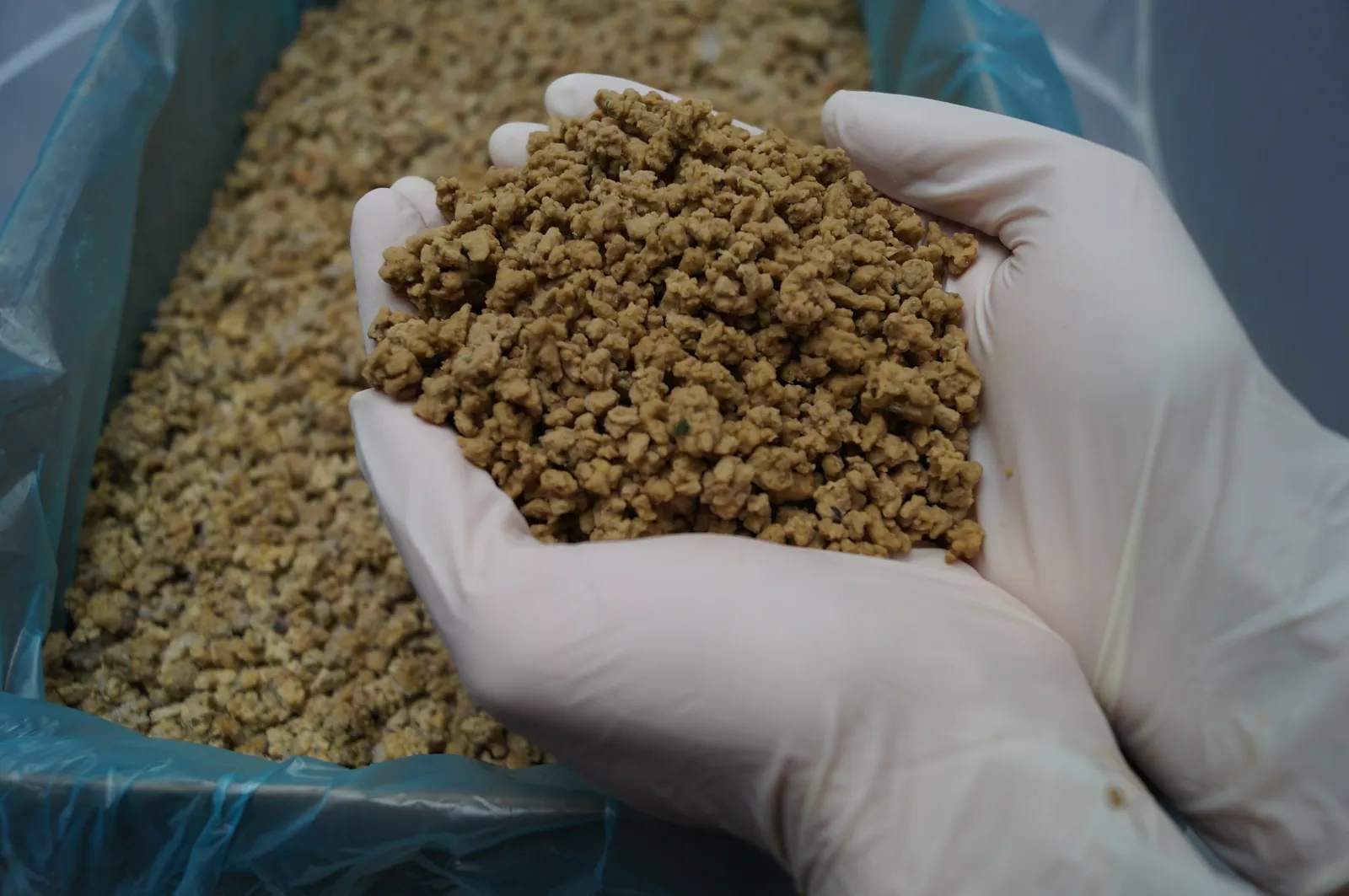
Frozen, free-flowing sunflower mince in a hand above the open 10 kg carton

In the kitchen

Frozen and ready to use.

  1. 1

    Free-flowing, not a block

    No soaking, no breaking apart. The mince is ready to use straight away – and thaws quickly when you need it for patties or fillings.

  2. 2

    Straight into the pan, tilting pan or combi steamer

    Add it frozen for sauces, or fry it for roasted flavour. It keeps its structure.

  3. 3

    Take only what you need

    Portion exactly, close the carton. The rest stays in the freezer.

50/50

Not going fully meat-free? Mix it.

Replace half of the mince in bolognese, chili or lasagne with sunflower mince. Your guests eat their favourite dish, the menu becomes more plant-based – and your organic share goes up.

Calculate costs →

Cost calculator

Do the maths yourself.

What does your bolognese cost per portion when part of the minced beef comes from the sunflower? Enter your own figures.

Inputs
Minced beef

Cost per portion

–

Cost per year
–
Difference vs. 100 % beef
–
Meat saved per year
–
Organic share of the mince component
–

Model calculation with your figures, not a price offer. Pre-filled with example prices; cooking losses are not included. Organic share refers to the quantity of the mince component.

Sunflower field at sunset

Origin

Grown on Europe's fields.

The most valuable part of the sunflower.

100 kg of seed yields 40 kg of oil – and 60 kg of press cake, naturally rich in protein and magnesium, plus iron, zinc and fibre. For a long time, none of it reached our plates. We're changing that.

4,000 years of food. More than 4,000 years ago, the sunflower was cultivated as a food plant. The seeds were roasted, ground into flour and baked into flatbreads. Sunflower flour and water were stirred into nourishing porridges and soups, and seeds and flour were stored for the winter.

An oil crop since 1829. That year, a farmer in Russia's Voronezh region began pressing oil from the seeds. It set the sunflower on its path to becoming an oil crop: more and more oil was extracted, and the sunflower was increasingly reduced to its fat. The protein-rich remainder ended up in animal feed – and today in biogas plants too.

Back on the plate today. We're bringing this valuable food back: pressed, physically texturised, as organic sunflower mince for your kitchen.

No extra farmland
The oil is pressed anyway.
Grown in Europe
From Baden-Württemberg to Bulgaria.
Physically texturised
No chemical solvents.
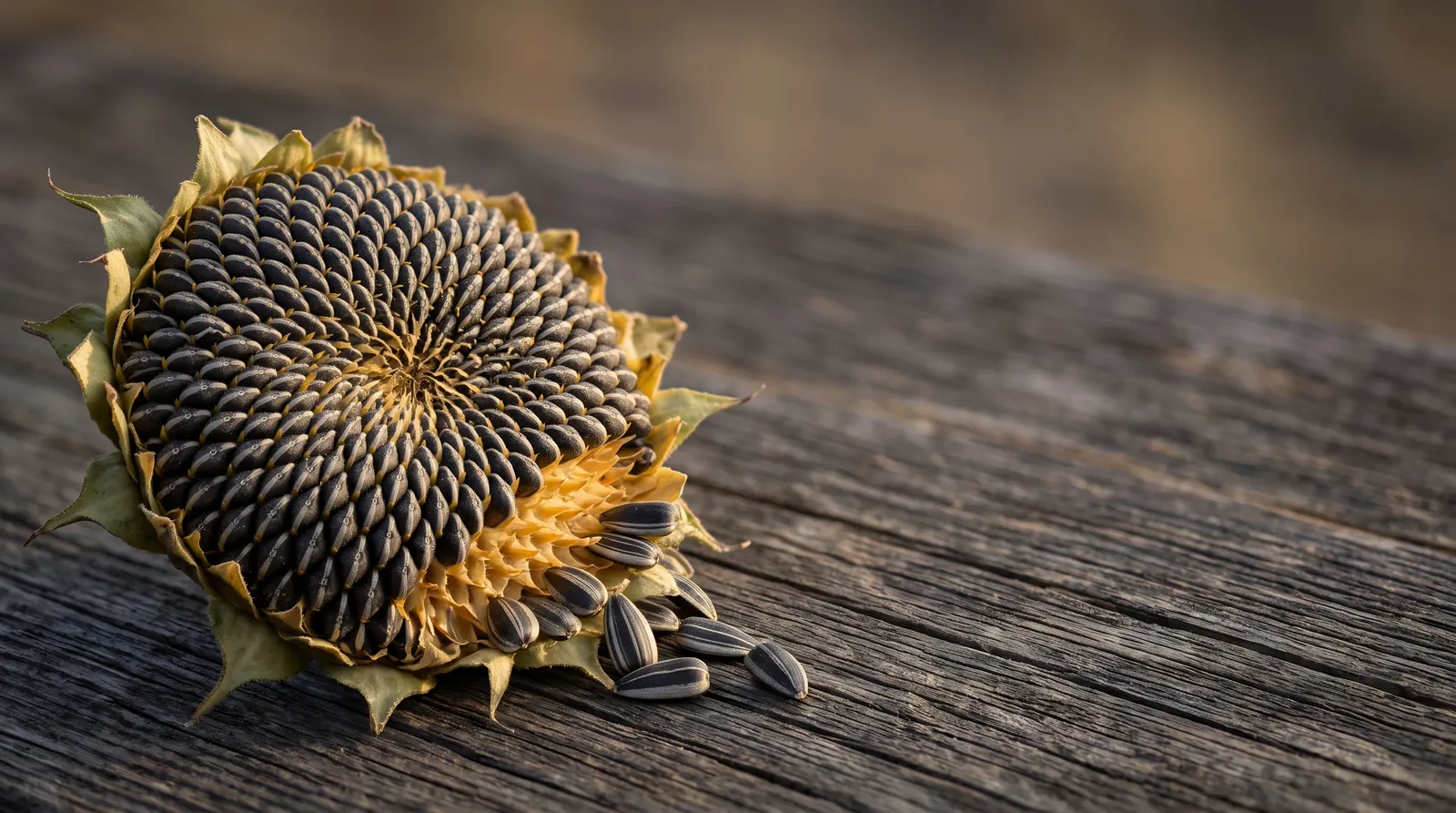
Ripe sunflower head with seeds on wood

100 kg seed
→ 40 kg oil + 60 kg press cake

  1. 4,000 yrs agovaluable food
  2. 1829first oil press
  3. todayback on the plate

Nutrition

More plants on the plate – without missing out.

Let's be honest: mince can be plant-based.

The seasoning makes the flavour – hardly anyone tastes the difference. Whether in bolognese, lasagne or fillings: the favourite dishes stay, and more plants end up on the plate.

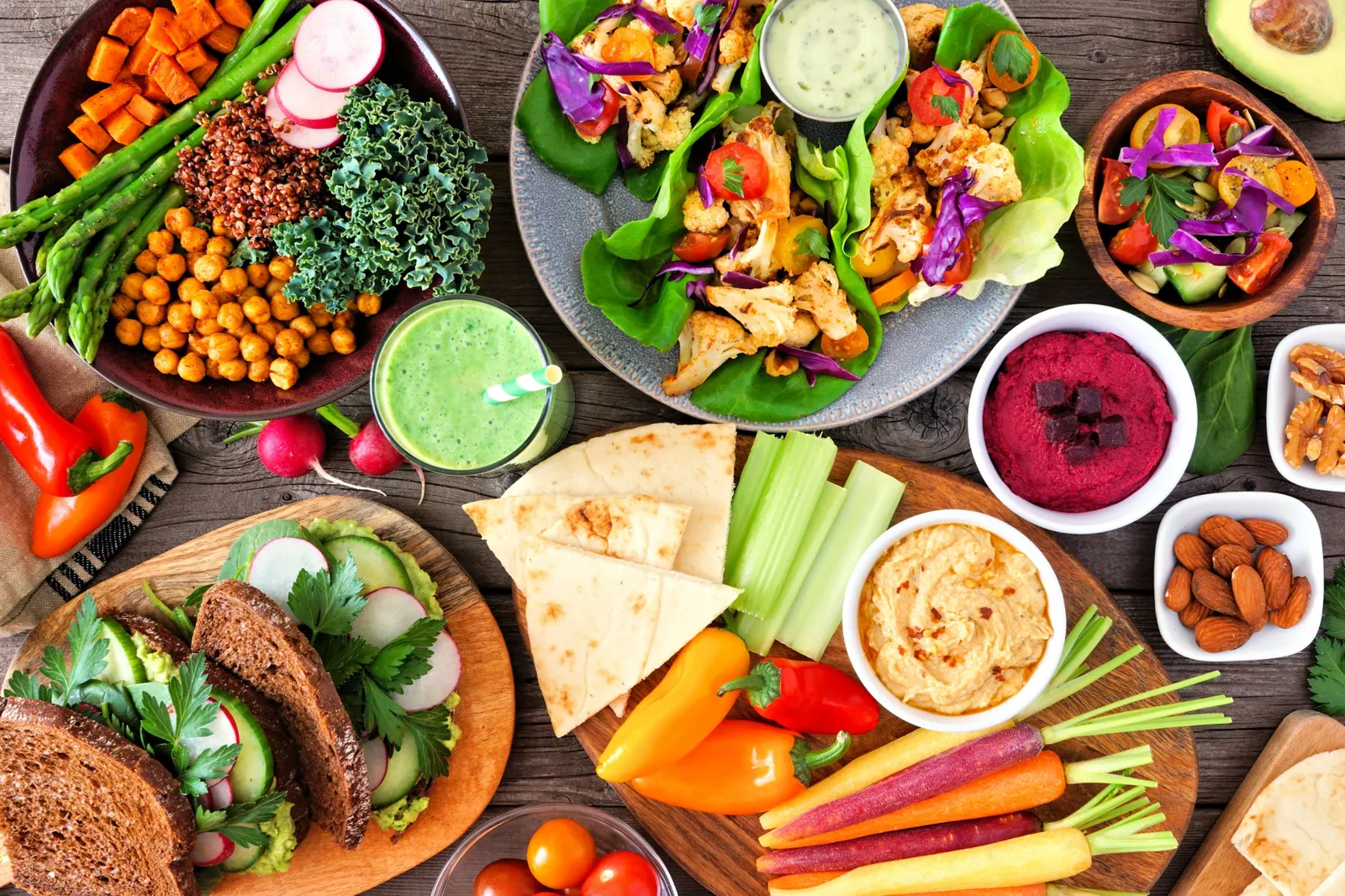
Table laid with colourful plant-based dishes

What belongs on the plate – and what's actually there.

The Planetary Health Diet of the EAT-Lancet Commission describes a diet that keeps people healthy without overburdening the planet. Its core is vegetables, pulses, whole grains, nuts and seeds. In Germany, the plate looks different. All values in grams per day, all bars on the same scale.

Vegetables · grams per day
DGE recommendation (minimum)400 g
Germany, average124 g

87 % of people in Germany eat too few vegetables. The German Nutrition Society recommends at least 400 g a day – also for a healthy heart and circulation.

Meat and sausage · grams per day
Recommended maximum≈ 43 g
Women in Germany84 g
Men in Germany156 g

On average, Germans eat far more meat and sausage than is good for their health – men more than three times as much.

Pulses · grams per day
Planetary Health Diet recommendation75 g
Germany, average2–5 g

Beans, lentils and peas appear far too rarely on German menus – yet they provide protein, fibre and minerals such as iron, magnesium and zinc.

Did you know? Dried lentils, beans and peas contain around 22 to 25 g of protein per 100 g – more than raw minced beef at around 20 g.

Our recipes bring vegetables and pulses back to the plate.

To the recipes →

Sources: German Nutrition Society, DGE (at least 400 g of vegetables a day, at most 300 g of meat and sausage a week); EAT-Lancet Commission, Planetary Health Diet (2019: 14 g red meat + 29 g poultry, 75 g pulses a day); Max Rubner Institute, German National Nutrition Survey II (vegetables; meat and sausage, weekly values converted to daily); Max Rubner Institute (pulses: 2–5 g a day depending on the study); protein contents from the German Nutrient Database (BLS). Meat maximum: DGE and the Planetary Health Diet both arrive at around 43 g a day.

Busy canteen with guests at the serving counter

For your kitchen

Food service cooks for millions every day. This is where change begins.

Kitchen team at work in a large-scale kitchen

Workplace catering

The favourite dishes stay. Less meat, more vegetables – with no extra work for your team.

Schools and nurseries

More organic food and menus that meet nutrition guidelines, without blowing the budget per meal.

University canteens

Vegan main courses in large quantities that win over meat eaters too.

Hospitals and care homes

Rich in protein and magnesium, plus iron and zinc – for nutrient-rich menus.

Wholesaler or food manufacturer? We bring your customers' demand – and the raw material for your recipes.

Discuss a listing

Documents

Everything your purchasing team needs.

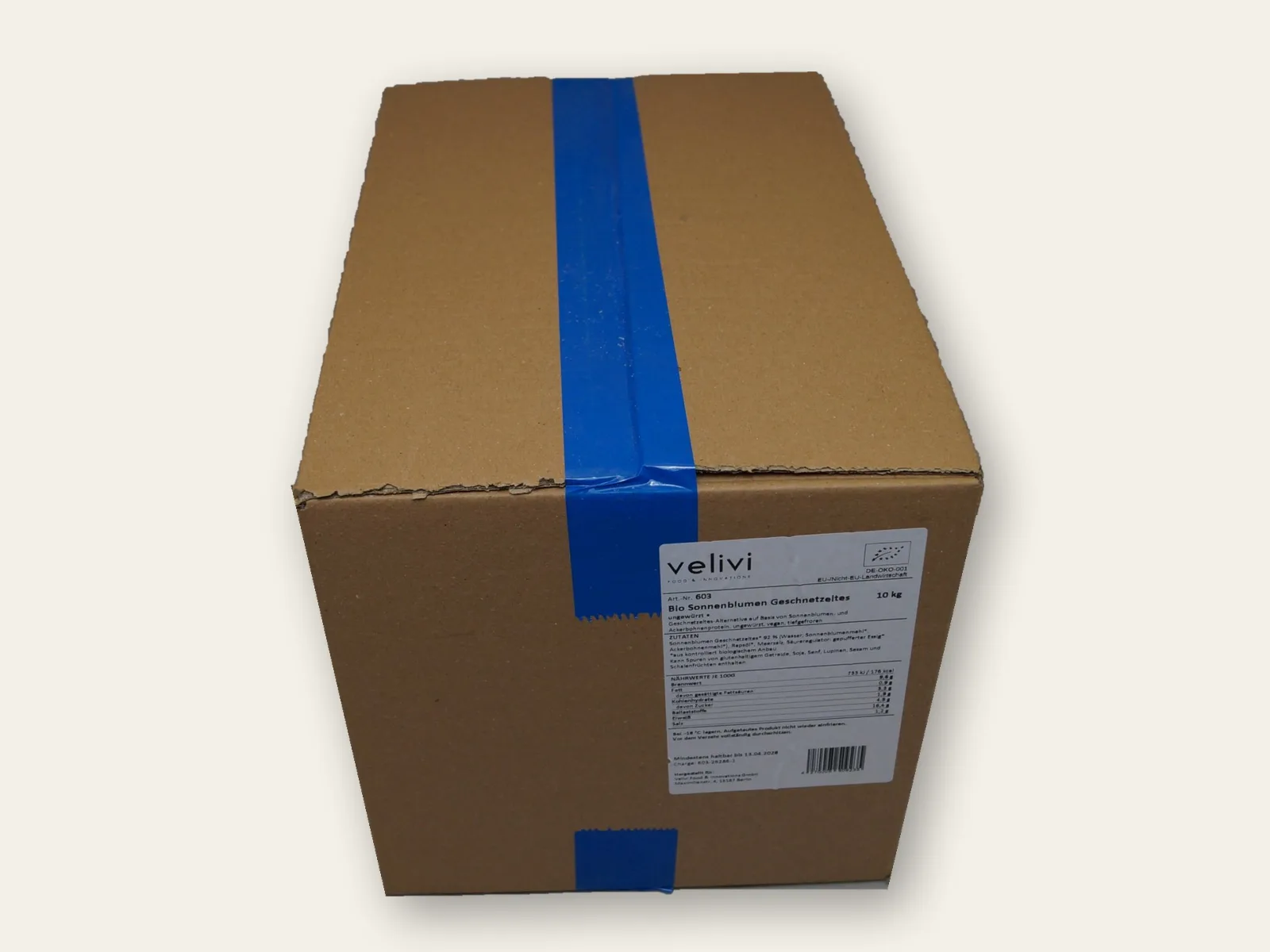
Sealed 10 kg carton of organic sunflower strips with label
“Since we put the sunflower mince bolognese on the menu, it has been more popular than the beef bolognese – which we have since dropped.”
Head of kitchen, food service

FAQ

Short answers.

What is sunflower mince?

A vegan alternative to minced meat made from sunflower protein. The protein comes from the press cake left over from pressing sunflower oil and is texturised with water, pressure and heat.

Where can I buy sunflower mince?

Through foodservice wholesalers. Tell us which wholesaler you use – we'll make sure you can get it there.

Will my guests like it?

Sunflower mince is mild and slightly nutty, juicy, with a meat-like bite. The easiest way in: half minced beef, half sunflower mince in bolognese or chili.

Is sunflower mince soy-free?

Sunflower protein is naturally soy-free, and none of our products contain soy as an ingredient. Information on possible traces is in the specification.

Do I need to thaw it?

Not for sauces: straight from the freezer into the pan, tilting pan or combi steamer. For patties, meatballs or fillings, let it thaw briefly – being free-flowing, that's quick. Heat thoroughly before eating.

Does it count towards my organic share?

Yes. Both products are certified organic and count fully towards your organic purchasing, provided your business is itself organic-certified.

Is there vegan mince in large packs for catering?

Yes. Both products come frozen in a 10 kg carton for professional kitchens – free-flowing, so you can portion exactly. Shelf life is 18 months.

Is sunflower mince vegan?

Yes. Organic Sunflower Mince and Organic Sunflower Strips are both vegan and certified organic.

More about sunflower mince →

Enquiry

Sunflower mince for your kitchen?

Tell us which wholesaler you order from. We take care of the rest and get back to you personally.

Prefer email? info@velivi.de

More details (optional – helps us with your wholesaler) +

* Required · No shop, no costs

Or email us directly: info@velivi.de